|
Spending time alone has never been a challenge for me. Even as a child, I have vivid memories of strolling through the woods, spending quiet moments in a chapel, or frolicking in the meadows—all by myself. It wasn’t a lack of friends that drew me to these solitary activities but rather a profound sense of creating and inhabiting my own reality. These childhood practices have woven themselves into the fabric of my adult life, shaping who I am today.  Solitude has always been my sanctuary, helping me find peace and balance. Activities like contemplating, meditating, and daydreaming, once seen as idle pursuits, have become essential practices that propel me through life. Sitting in silence and observing the world—the patter of rain, the warmth of a lamp, the peaceful slumber of my dog—brings me profound joy here and now.  Embracing solitude, quite paradoxically, empowers me to enjoy the company of others, whether friends or strangers. It is through solitude that I connect deeply with my thoughts and myself. My moments of solitude are usually steeped in silence, which I crave more than anything else. Occasionally, I choose to enhance these moments with music or a cup of coffee, savouring each note or sip. This intentional focus allows me to fully appreciate the sound, taste, and texture of my experiences, bringing me immense happiness.  In today’s fast-paced world, we are inundated with countless activities, options, and temptations. While these are not inherently bad, for me, solitude remains my most cherished refuge. It is in these quiet moments that I meet myself most authentically. For me the allure of solitude lies in its simplicity and truth. It offers me a space to reflect, recharge, and reconnect with the essence of who I am.
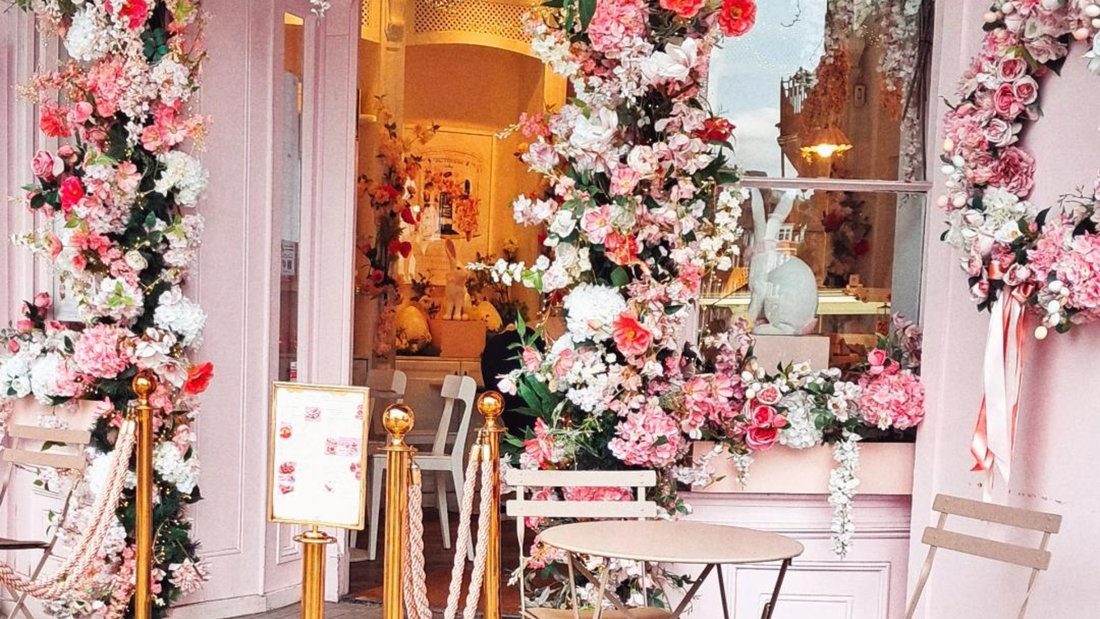 I absolutely adore Peggy Porschen in Belgravia, and I highly recommend making a stop there, even though it might feel like a splurge. There's something genuinely enchanting about the place that goes beyond just grabbing a bite. The café itself is a pastel dream, decked out with stunning floral displays that change with the seasons, making every visit uniquely delightful. It’s not just a treat for the palate but for the eyes too—every corner is perfectly Instagrammable. The cakes and cookies aren’t just visually appealing—they're crafted with high-quality ingredients that you can taste with every bite. It's this commitment to quality that makes the experience feel worth the extra expense. The Belgravia location adds an extra layer of charm. Nestled in one of London’s most picturesque neighbourhoods, it gives you an opportunity to stroll through the city without this feeling of rush.
So, if you find yourself in London, don't just pass by Peggy Porschen. Pop in, treat yourself to a slice of cake, and soak up the ambiance. It's a small luxury that makes a big difference in brightening your day! 
In the midst of our hectic, tech-driven lives, where the relentless pursuit of staying up-to-date consumes our every moment, the theorbo stands as my refuge. It's a departure from the chaos, a musical sanctuary where time graciously slows down. In the world of theorbo music, there's no rush—only an oasis of peace, tranquillity, and undeniable beauty.
As soon as I settle down to immerse myself in that music, a profound sense of serenity washes over my soul. Every fibre of my being undergoes a transformative journey into a realm of calm and stillness. The melodies act as a soothing balm, enabling me to unwind, transcend the ordinary, and embrace a profound sense of peace.
My desire is that I've inspired you to carve out a moment for yourself and explore the profound beauty of this music. I hope you will uncover precisely what I find within it, or perhaps even more. May this journey into the melodies bring you solace and a deep connection to the transcendent notes that resonate within.
If you're eager to explore more, I'd highly recommend this fantastic album on Spotify that I've been thoroughly enjoying lately.
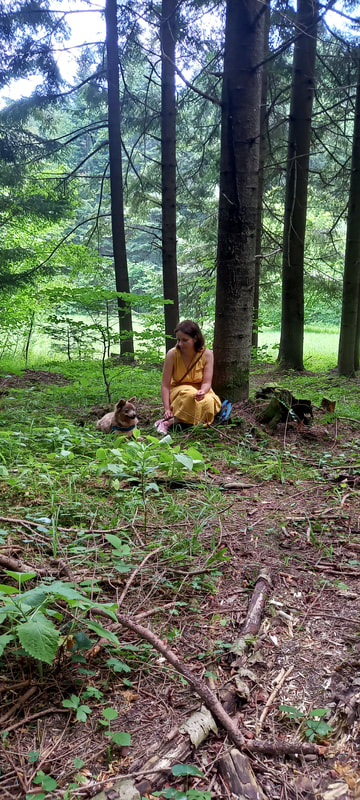
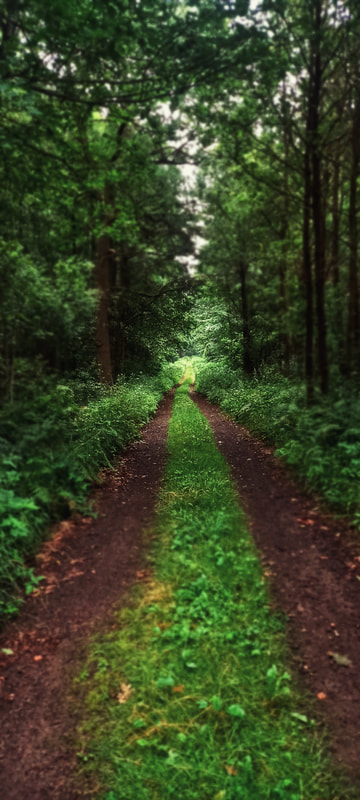
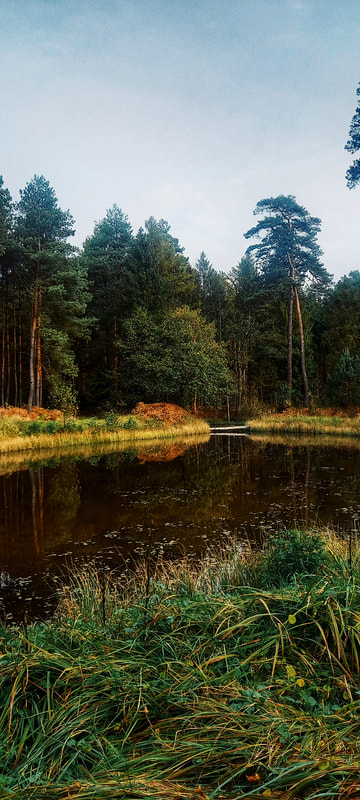
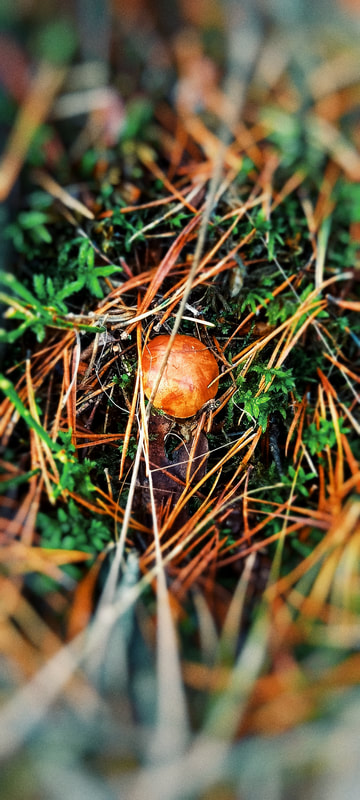
The forest, my not-so-secret hideout, isn't just an escape; it's where I channel my inner woodland fairy, gracefully dodging the hurdles of adulthood. This connection isn't a newfound adult love; I've been doing this nature thing since I was knee-high. The mushroom season holds a special place in my heart, a time when the grown-ups pursued their porcini quests, and I, a child with boundless imagination, revelled in my woodland kingdom.These are the memories I hold dear, and remarkably, not much has changed.
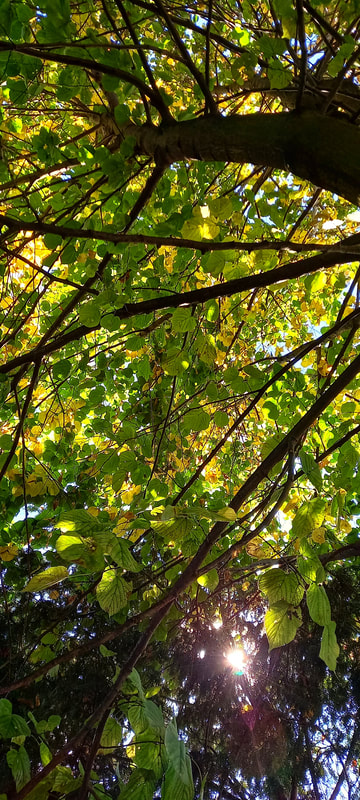
I deliberately pencil in my weekly forest fix, sometimes doubling down because, let's be real, adulting needs an escape plan. Weather, with its mood swings, doesn't ruffle my feathers. Whether basking under a sunny canopy or getting a mud bath in the rain, I relish it all—every element, every sensation. It's in these moments that I feel truly alive.
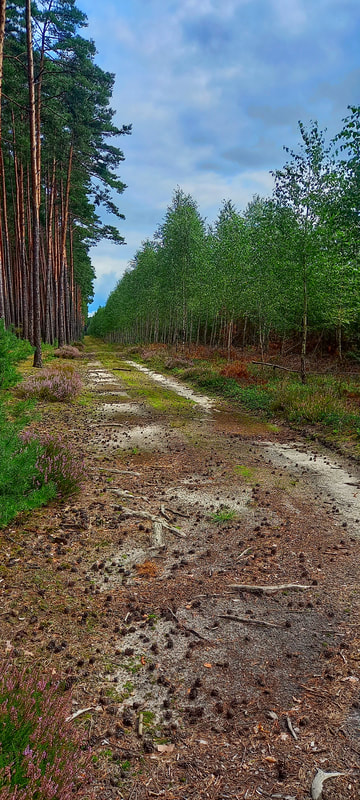
My forest excursions are a multi-sensory feast—I gather, touch, photograph, listen, record the nature sounds, find a quiet spot to sit, lay down, read, meditate—whatever the mood dictates. Life, in those woods, unfolds like a story, and after each expedition, I emerge refreshed, in harmony with myself, and considerably calmer. Silesia - my home, to the surprise of many, offers expansive stretches of forest practically at my doorstep—nature's gift, free for the taking. I have my secret map of favourite spots—shh, top secret! But ... I hope you have yours too! If you still need a nudge in terms of planning your woodland getaways, let me share three the most obvious benefits forest is always ready to give you: 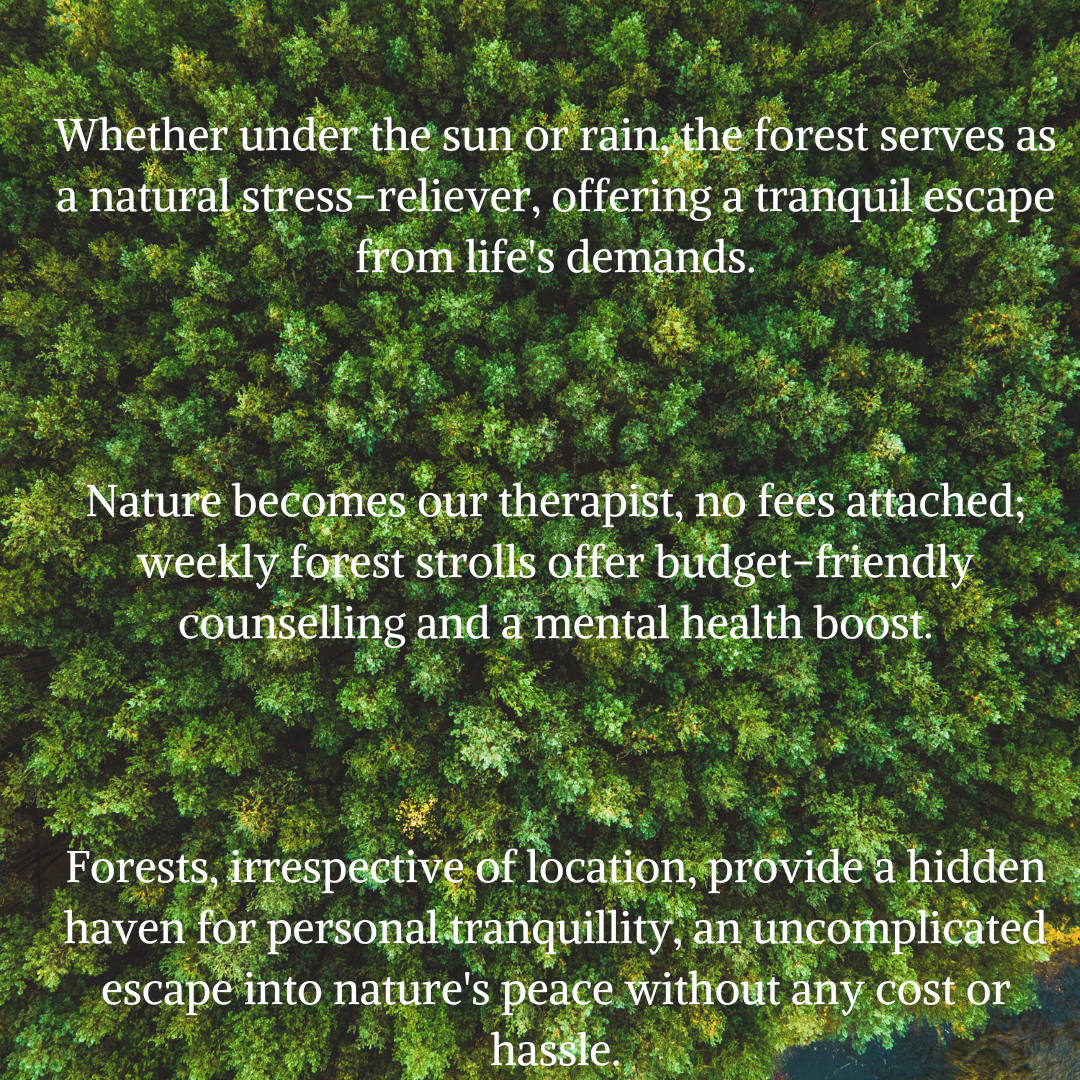 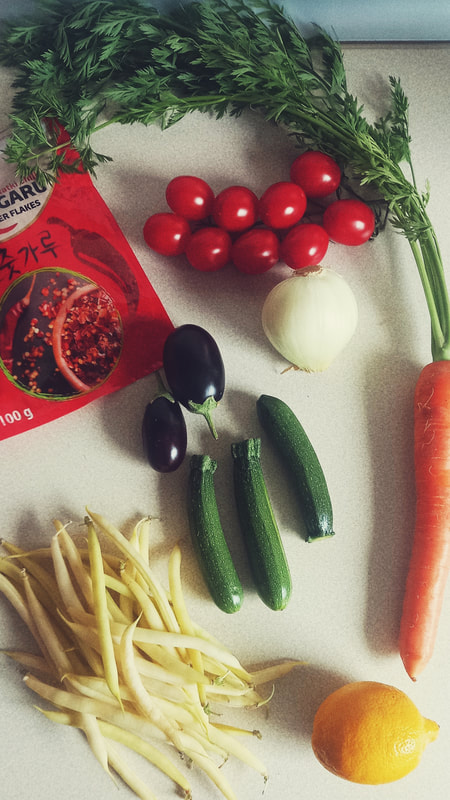 While I might not boast an extensive array of spices readily at hand in my kitchen (already not true but serves the purpose of the text), there's one spice that I consistently have on standby - gochutgaru, and I reckon it'll always be the case. My love affair with this spice began a few years ago while I was reading about kimchi ingredients. I stumbled upon a recipe for a salad that included gochugaru as an optional addition. Intrigued, I decided to purchase a package of this spice, probably through an online store. To my surprise, the package arrived in a huge volume - a whole kilogram! At first, I used gochugaru for making my homemade kimchi, and then I experimented with it in the salad recipe. However, with such a large amount in stock, I soon found myself incorporating it into various dishes, even beyond Asian cuisine. Now, it has become a staple in my kitchen, and I find myself reaching for it whenever I need to enhance the flavours of my savoury dishes. A mere handful sprinkle of gochugaru can transform a dish that's lacking that special something. It's hard for me to specifically describe its taste. Generally, I could say that it adds spice to the dish. However, the spice level of gochugaru can vary and it is generally considered to be moderately spicy. Its flavour is not just about heat; it offers a unique -a slightly sweet and smoky taste with fruity undertones. In short, I have developed a profoundly genuine love for gochugaru and its ability to elevate the taste of so many dishes. It has truly become an essential part of my culinary adventures. 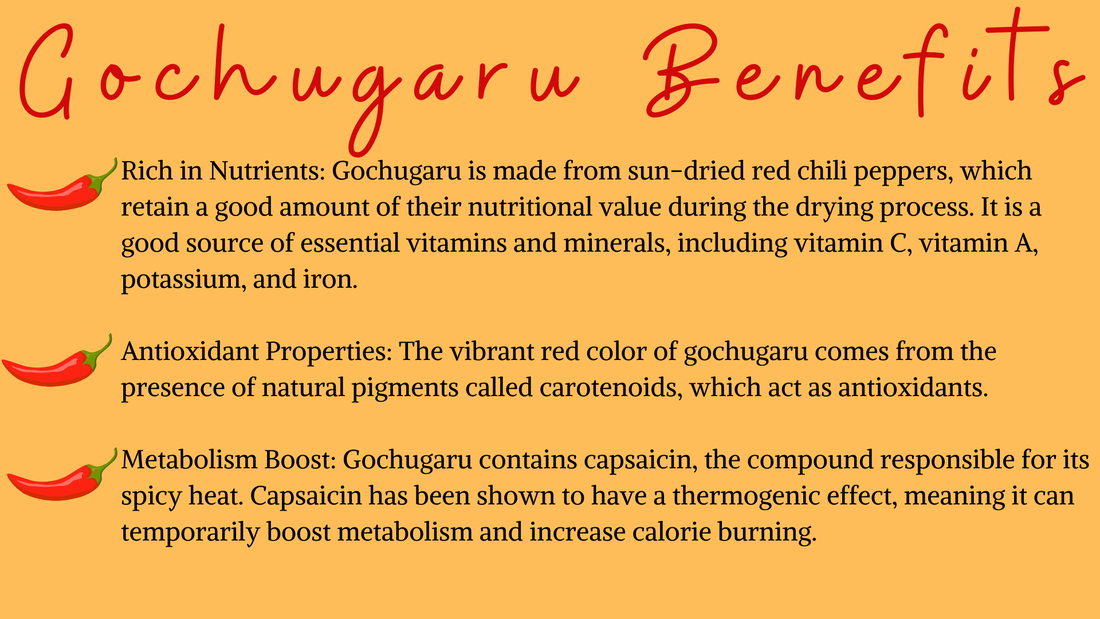 Final Note: Keep in mind that while gochugaru can offer health benefits, it should be consumed in moderation, especially if you are sensitive to spicy foods or have certain medical conditions. As with any ingredient, it is best to enjoy gochugaru as part of a balanced and varied diet.
 Ah, May! The month when nature truly awakens, bringing back the buzzing bees, blooming flowers, and, of course, the beloved stinging nettles. Yes, you read that right. While most people run in terror at the sight of these prickly plants, I'm here to tell you that they're actually your new BFF - especially when it comes to taking a relaxing, rejuvenating nettle bath. And trust me, I know what I'm talking about. Every May, I hit the woods armed with gloves, scissors, and a canvas bag, ready to pick up some fresh nettles. It's a ritual I look forward to every year because because it's a perfect excuse to get out in nature, bask in the sunshine, and perhaps enjoy a little al fresco dining ;)  As soon as I get home, I start boiling water and prepare a big pot for the nettles. I steep the nettles in the hot water for a few minutes before letting them simmer. I prefer not to add any essential oils, but feel free to jazz things up a bit if that's your style. The scent alone is enough to make me feel like I'm floating on a cloud. Now, I know what you're thinking. "A nettle bath? Are you out of your mind? The last thing I want is to bathe in a plant that stings me!" Believe it or not, the heat treatment removes any stinging sensation from the nettles. And even if it didn't, it's totally worth it! Nettles have been used for centuries for their medicinal properties, and taking a nettle bath is one of the best ways to reap the benefits. After finishing up my bathing preparations, I'm finally ready to take the slide into a steaming bath of nettle-infused goodness. I usually soak in the mixture for a good 10 minutes before adding a bit of hot water to maintain the temperature for another 10 minutes. The bath is incredibly refreshing and revitalizing. The nettle scent is unlike any other; it's definitely nothing like flowery perfumes. It's the true scent of nature. And now the word of advice:
 If you're not quite ready to take the plunge with a nettle bath, you can still enjoy the benefits of nettles by sipping on a cup of nettle tea. Here's a simple recipe to get you started. 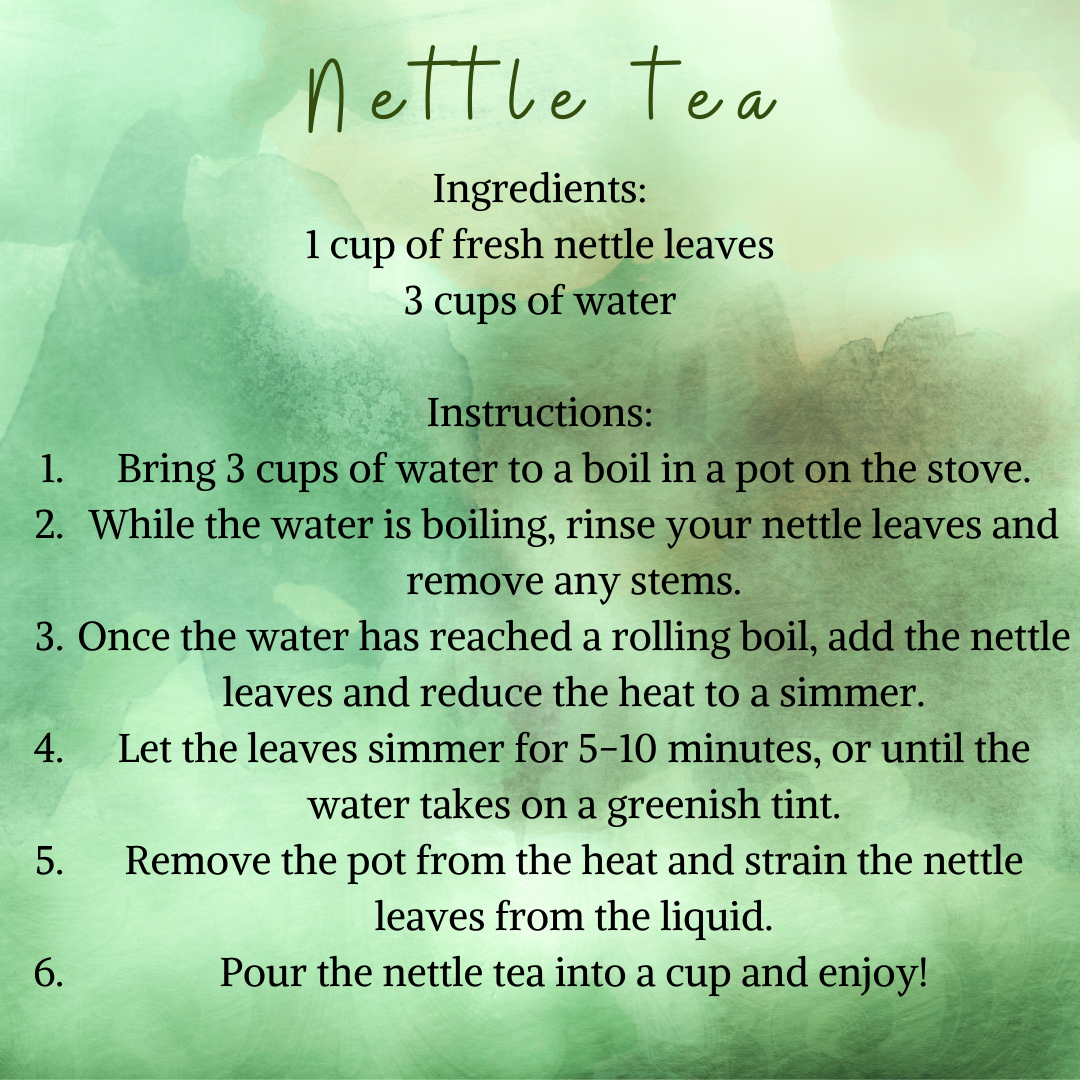 A few notes on this recipe: it's best to use fresh nettles, as they'll have the most flavour and potency. And while you may be tempted to sweeten your tea with sugar, I recommend drinking it plain to fully experience the flavour of the nettles. Finally, make sure to drink your nettle tea hot - trust me, cold nettle tea is pretty disgusting.   My first encounter with cold showers was when I was about three years old and my grandmother treated me with alternating cold and warm showers. The idea however at some point could have led to a family strife, so it was abandoned altogether. Later on I wasn't particularly interested to embrace the idea of cold showers. I have always enjoyed a hot and long shower. The idea of having a cold shower was never sought after even if I must have been hearing about its amazing benefits here and there. You know, listening about the benefits and even understanding the principles behind them doesn't necessarily translate in adopting certain practices. Until ...  I guess when our bodies manifest they are not entirely happy with the way we treating them it is a good time to look for solutions. We are more attentive and eager to change. A good few weeks ago, my blood pressure, which had always been low, dropped drastically. I felt awful. My energy level oscillated around 0 and the dizziness was unbearable. In times like these I try to look for natural remedies and solutions. And voila - there it was - a cold shower. But I didn't try right away. First, I had to get familiar with as many aspects of this treatment as possible. I read different articles, watched testimonies of other people and ask for doctor's advice. Then I tried ...  The first time was horrific. I could barely last 15 seconds, and after the shower, I had to revisit all the resources just to remind myself why on earth I had decided to subject myself to such discomfort. Personally, I believe that when embarking on new routines like this, our mindset requires an extra boost and encouragement. So, fuelled by the inspiring words of others, I pressed on. I'm still a newbie here but after 3 weeks of having regular cold showers I can definitely tell the difference. I feel more alive, my mood has has taken a turn for the better, and my batteries are fully charged. I want to carry on. I want to reap the benefits of this simple, yet effective method. I can tell you that after these three weeks cold water is still cold. It's just as frigid and unwelcoming as before but I have already managed to prolong my initial 15 sec to about 2 minutes, usually twice a day. I listen to my body; I haven't resigned from the comfort of hot showers and I take it easy - one step at the time. That's my testimony. Below, I leave you the links to the materials that really helped me in this pursuit.  Gaz Okleay - my favourite vegan chef and his recorded experience of having ice baths. Dr Berg - medical insight of what is happening to our body when we take cold showers. and finally Wim Hof - extremist but with loads of good pieces of advice and a living example that cold showers rule.  Let me sum up with giving you a compiled version of cold showers benefits.
You may also like to read
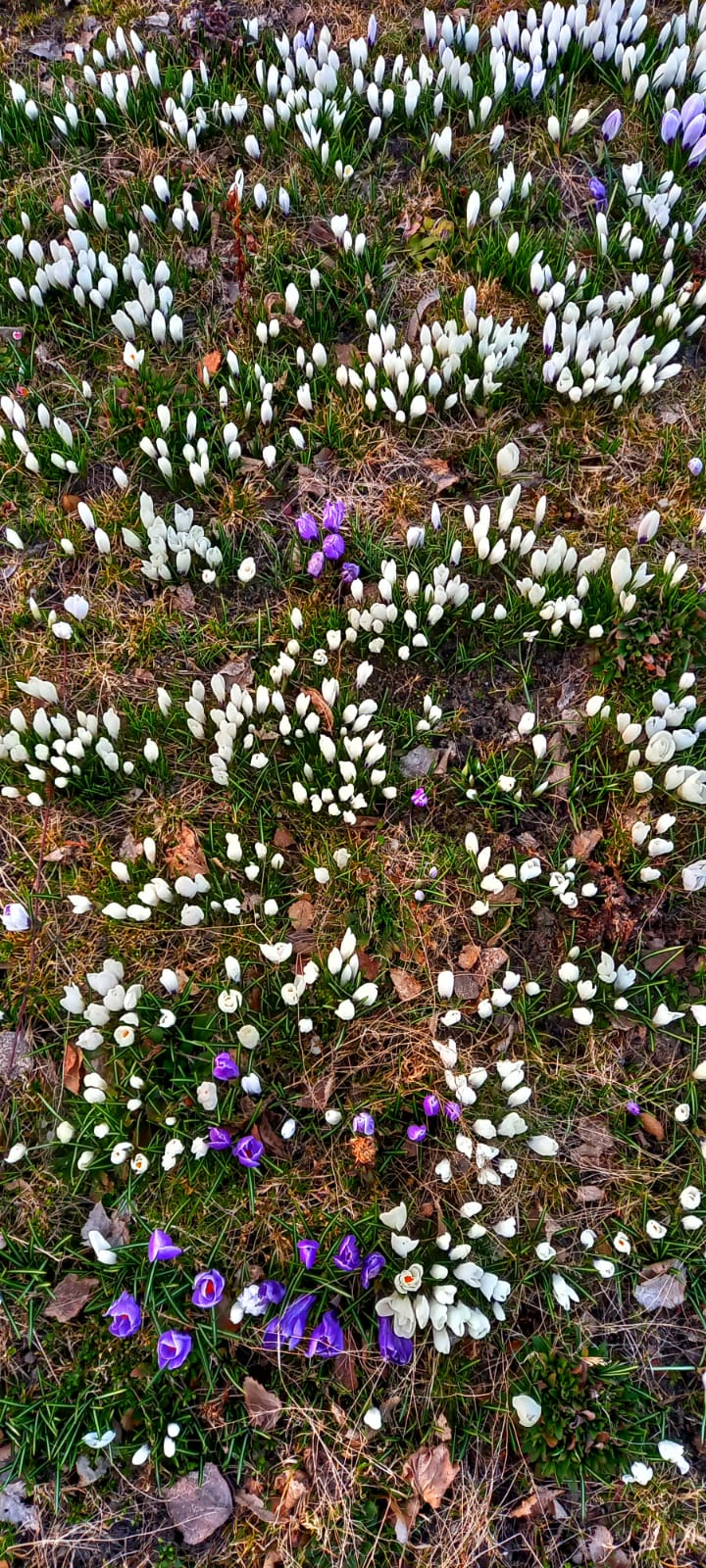
 Ah, spring! That magical time of year when the earth awakens from its slumber, the birds start chirping again, and everything turns green. It's a season of renewal, rebirth, and... sneezing? Yes, unfortunately, along with all the joys of spring comes the dreaded allergy season, but let's not focus on the negative. Instead, let's celebrate all the wonderful things that make this season so special. First and foremost, let's talk about green. Everywhere you look, there's a sea of vibrant, verdant hues. It's like the world has been given a fresh coat of paint, and it's glorious. Sure, you might have to mow the lawn a few times a week to keep up with the growth, but that's a small price to pay for such beauty.  Then there are the birds. Oh, the birds! They're back and they're singing their little hearts out. It's like a symphony of tweets and trills, and it's enough to make even the grumpiest of people crack a smile. Of course, some birds can be a little annoying (I'm looking at you, woodpecker), but let's just focus on the positive for now. And what better way to enjoy all this natural beauty than by taking a stroll? Whether it's through a park, a forest, or just around the neighbourhood, there's nothing quite like a leisurely walk to clear the mind and connect with nature. Just make sure to watch out for all the dog poop that has been accumulating under the snow all winter. Fun times.  All in all, spring is a time of hope, joy, and new beginnings. It's a season that reminds us that life goes on, and that even after the coldest, darkest winter, there is still beauty and wonder to be found in the world. So, go outside, take a deep breath, and revel in the glory of spring. Just don't forget your allergy medicine.
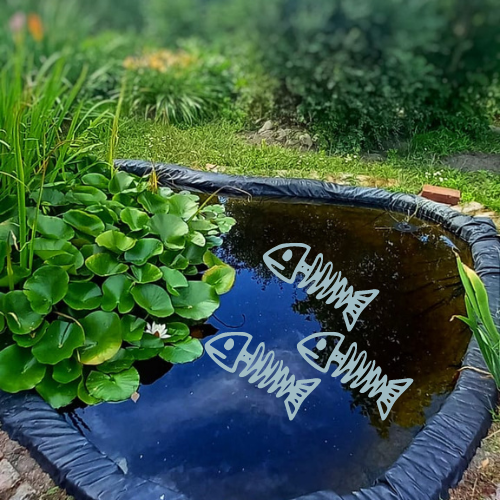
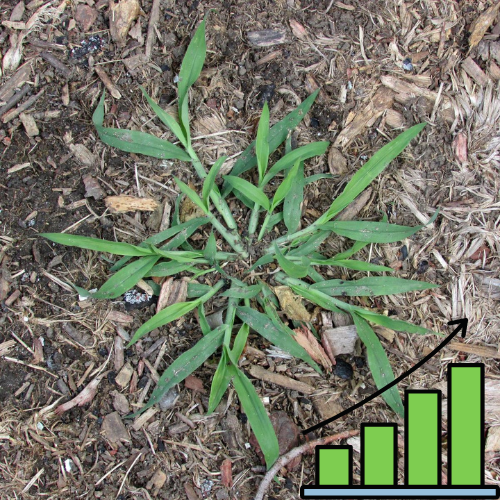
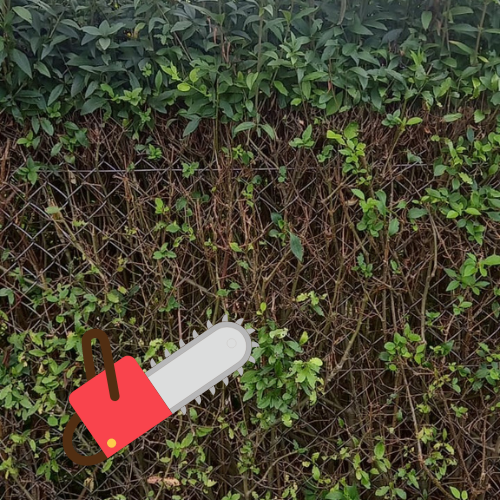
I am generally quite capable of sinking into despair but what I have experienced with this tiny plot is simply beyond my imagination. I try to joke about it, but the painful truth is that I am one lousy gardener. I tell you this story from some time perspective and my emotions are rather settled at the moment. However, then the mentioned below events were taking place I could hardly see any positive outcome. It must be said that the list of my gardening mishaps is endless and just for the purpose of this post I have chosen the most spectacular ones. And as the modern approach to psychology and development encourages as all to see our failures as our successes I am going to present the events as such. Success Number 1 -reduction of fish population in a garden pond by 50% Success Number 2 -creation of a weed plantation almost in every flipping corner Success Number 3 - designing a new style of cutting hedge by depriving it of any green leaves
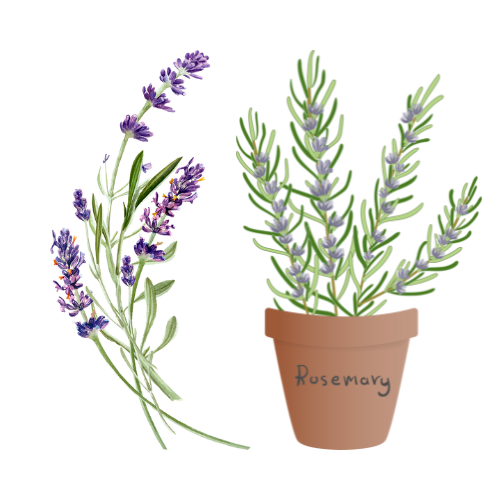
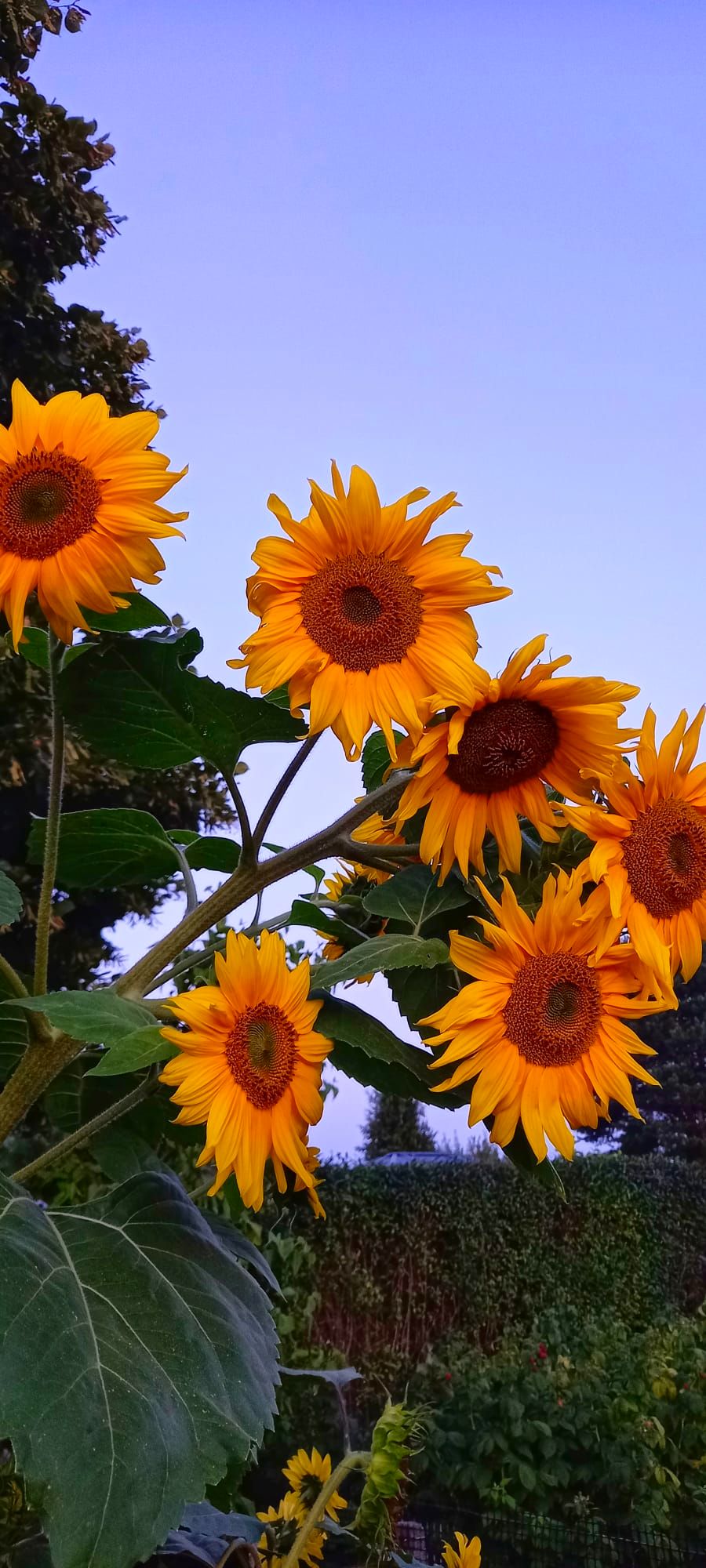
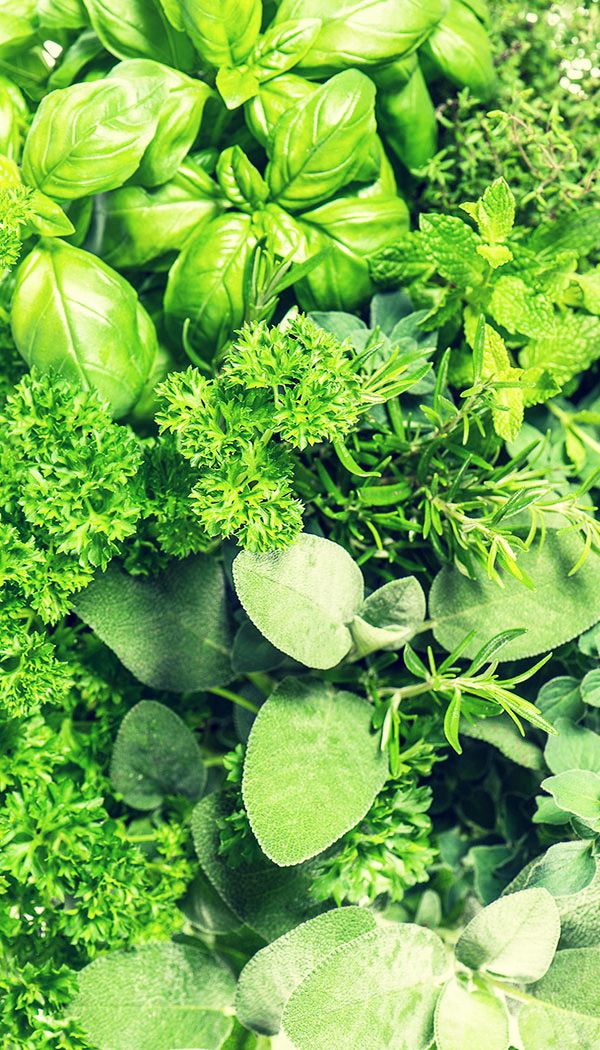
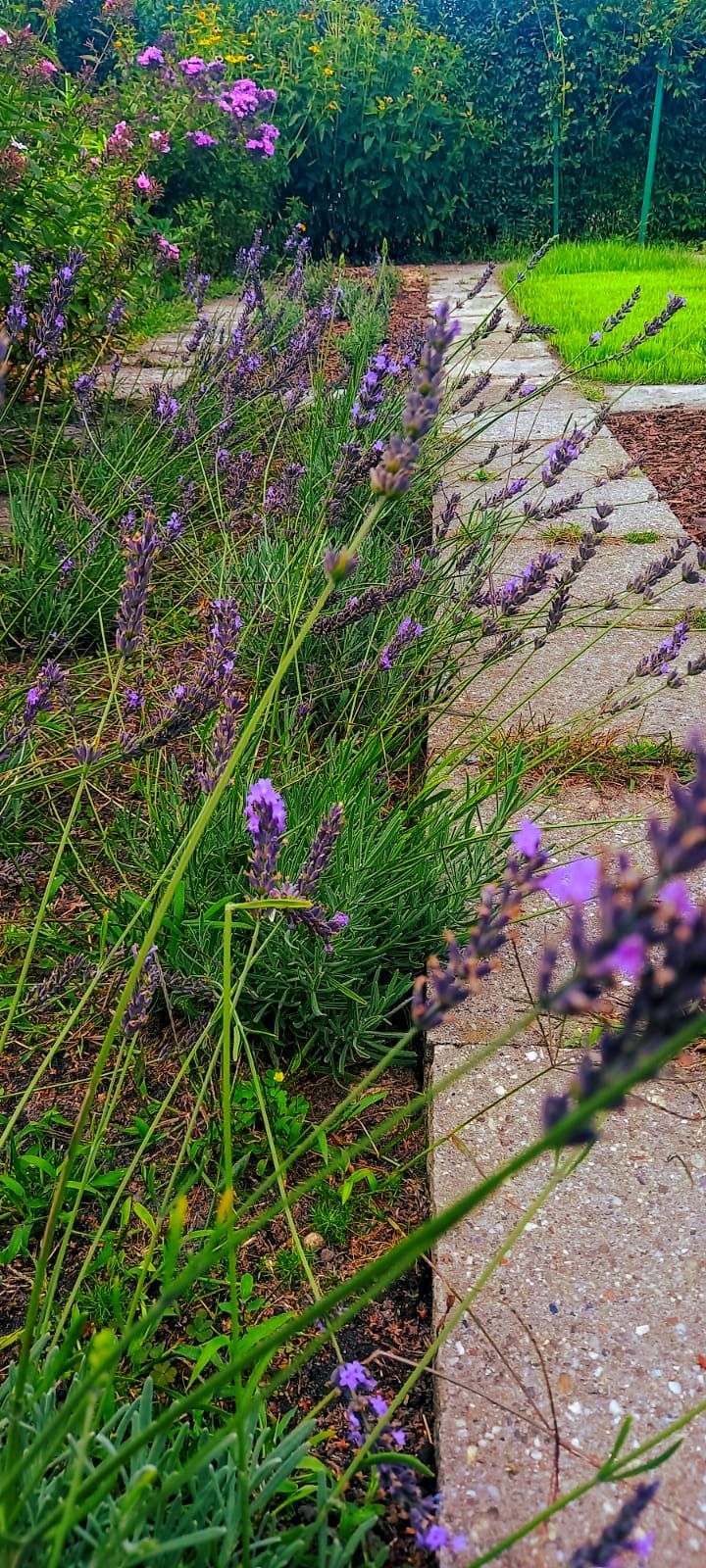
All of these have no real happy ending. Thankfully, we managed to sort out the pond problem and no further deaths are expected. When it comes to weeds, I am afraid the problem is evolving; even though I have spent hours on weed whacking, laying geotextile, and following other permaculture ideas (like for example using cardboard). And finally the hedge. Here the situation is quite simple - I can either wait for a miracle to happen or plant a new one. The good news is that I haven't given up yet. And there are small marvels that make this whole experience a little bit less bitter. I got a patch of sunflowers - selfseeded and a bed of lavender and herbs. I know it's a little comfort but the journey continues.
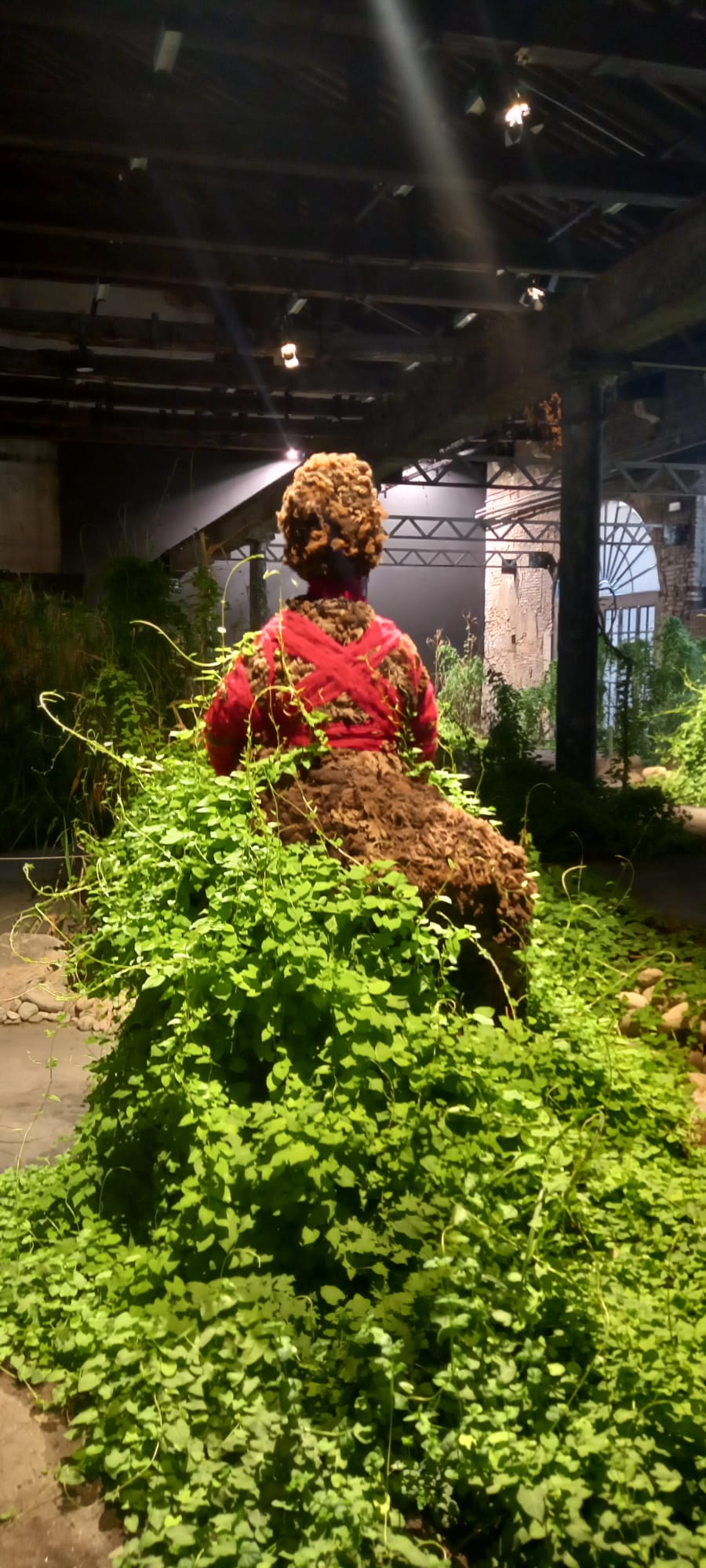
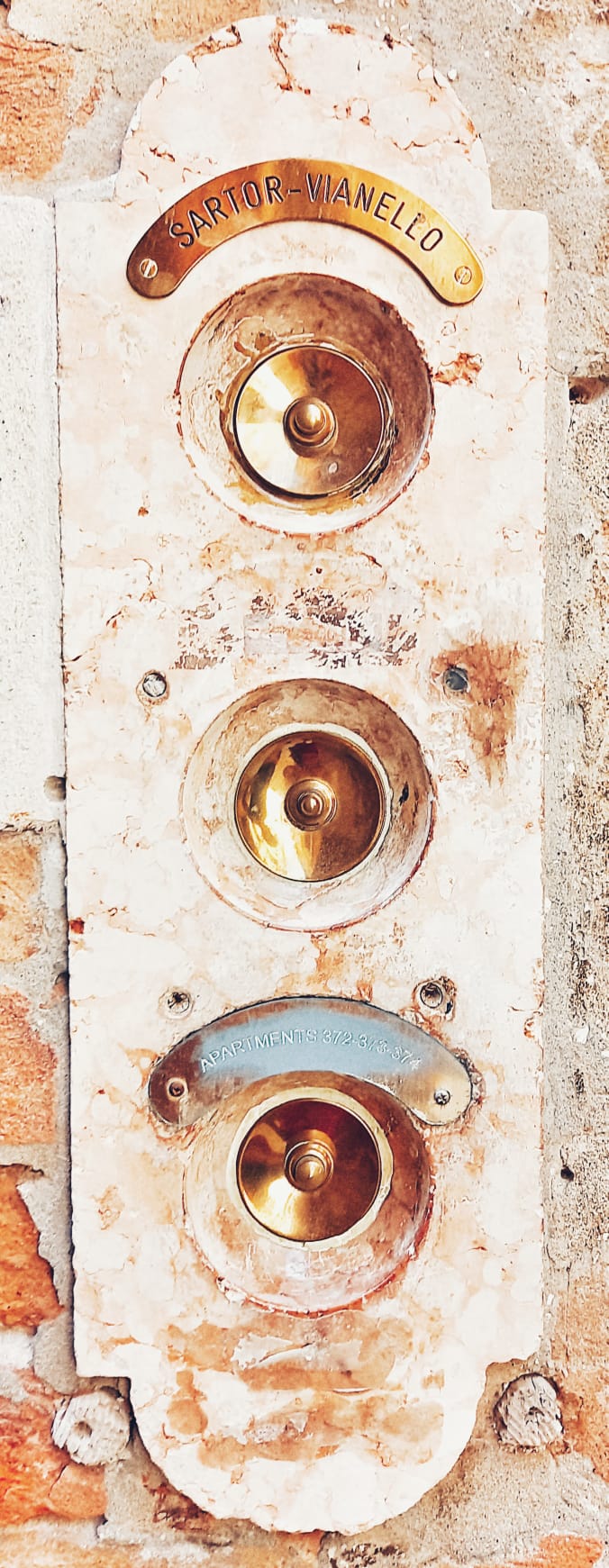
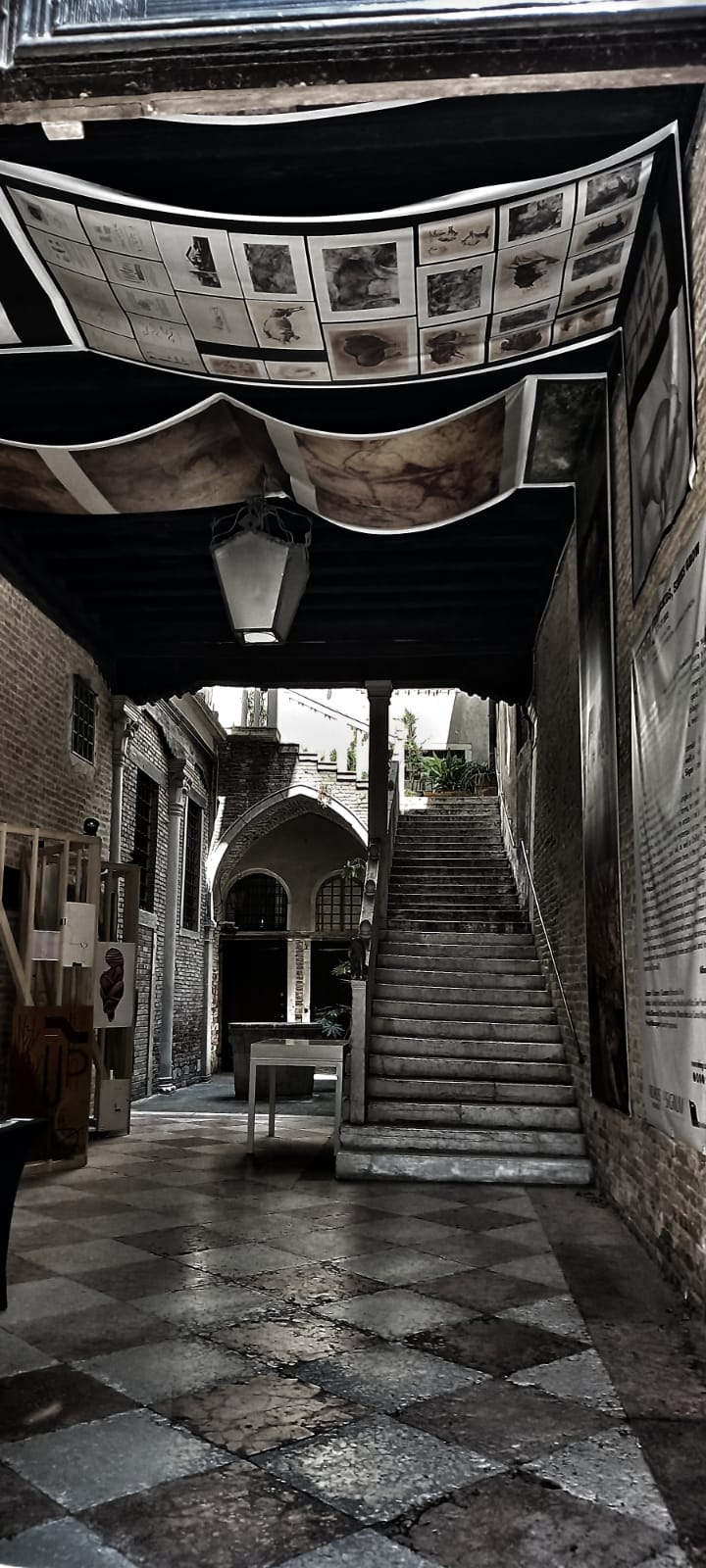
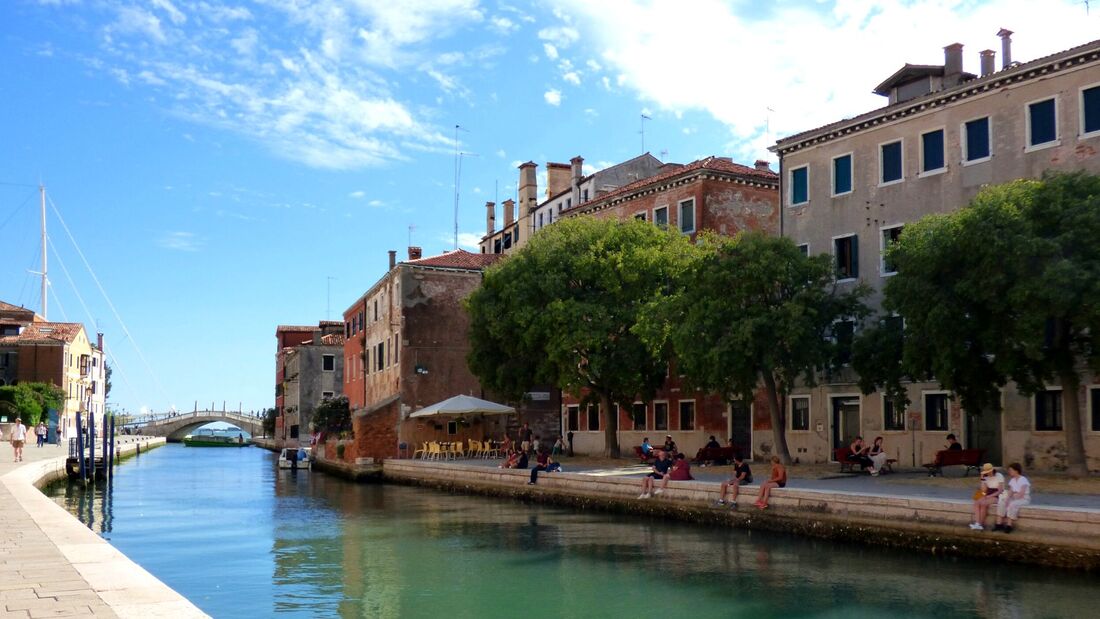  My top three priorities when looking for a summer holiday destination would be 1. scorching hot - so that I could complain about the heat 2. touristy - so that I could go on and on how crowded the place is 3. with little opportunities to speak English - so that I could keep on whining about the impossibility to communicate And Venice almost ticks all the boxes. The temperature in the summery Venice is incredibly high. However, it's not the days that are the worst but nights. Strolling through the city, even in the middle of the day is okey for me - perhaps thanks to the shade offered by narrow cobbled streets - but the stuffiness of the night is quite unbearable - it makes you feel weak and weary.  I guess, Venice attracts a huge number of tourists all year round. No wonder as the city has a lot to offer. Anyhow, the peak summer season is when you can really feel the hustle and bustle of the city. And don't worry, even if my pictures don't show it, believe me - loneliness will be the last thing you experience.  And finally English. And here, I must admit that I was somewhat disappointed as I had been expecting almost zero engagement in this matter. And I was wrong. In most places people speak basic, communicative English and you don't feel stigmatized for wanting to use it. Of course, it's much better when you try to charm the locals with your few well polished Italian words but still I had a feeling that English is maybe not appreciated but definitely recognizable. Here are a few highlights from my Venice experience - scroll, enjoy and veni, vidi.. Venice.  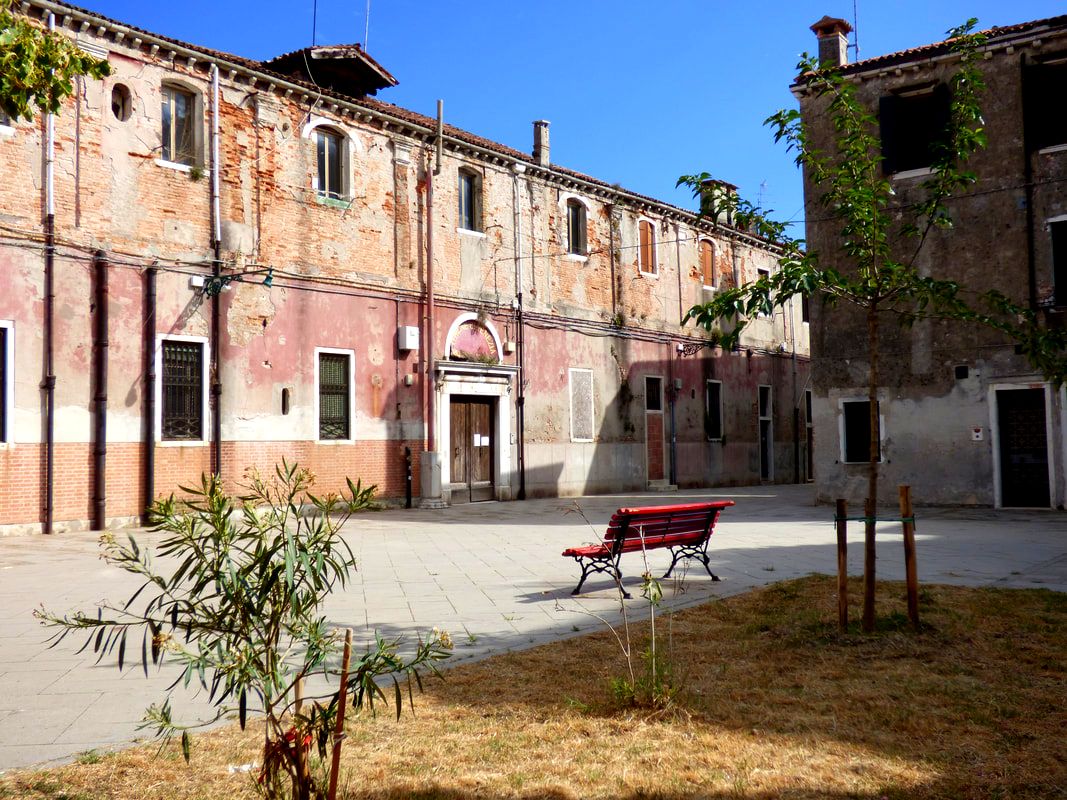 Getting lost in Venice  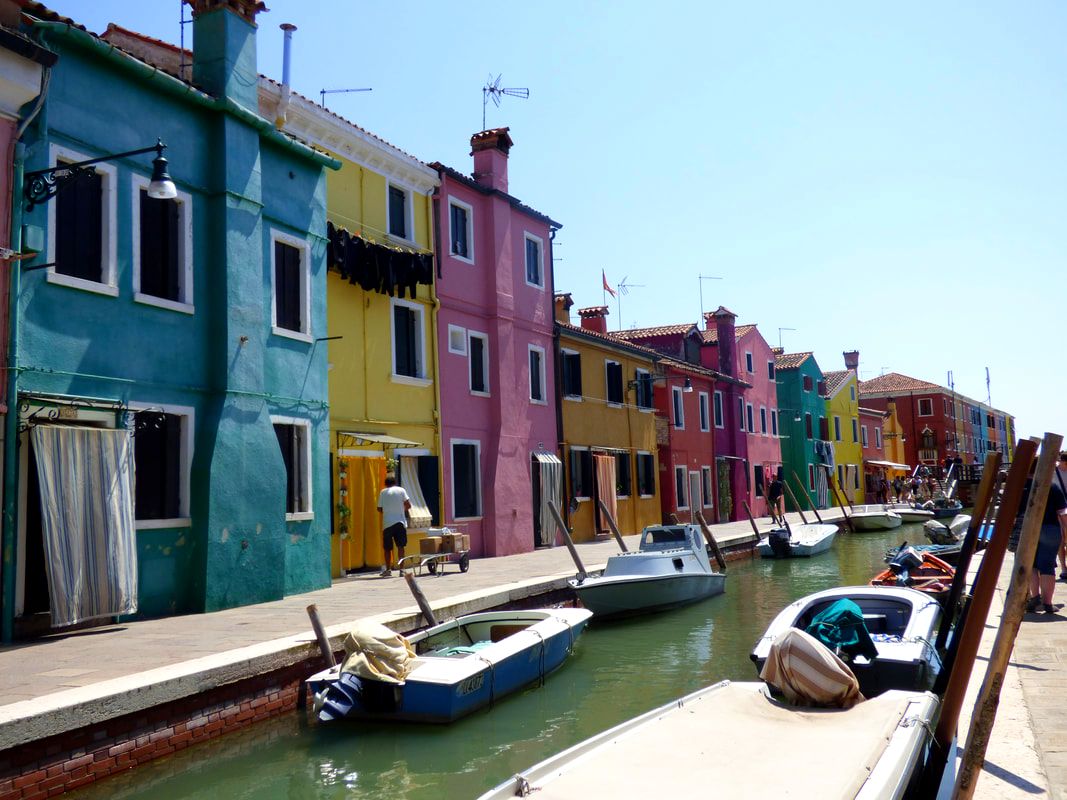 Vivid and vibrant Burano   Biennale Arte - the highlight of the stay
 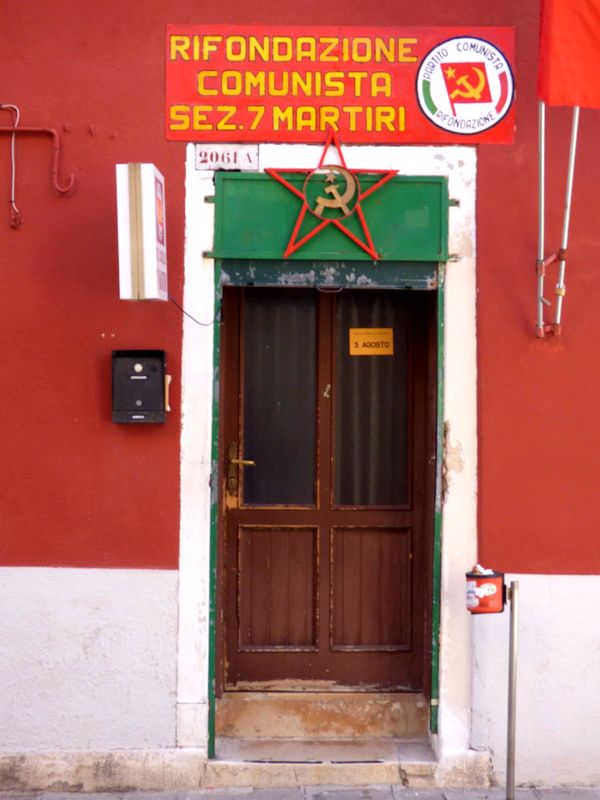 so "heartwarming" ;) 
 And finally a glimpse from my Instastory ;) |
ABOUTStep into a world of ever-changing seasons and beyond, where we uncover life's adventures, explore new horizons, and embrace the beauty of each moment with open hearts and curious minds. 

Archives
April 2024

Categories
All
|





|
|